
Your basket is currently empty!
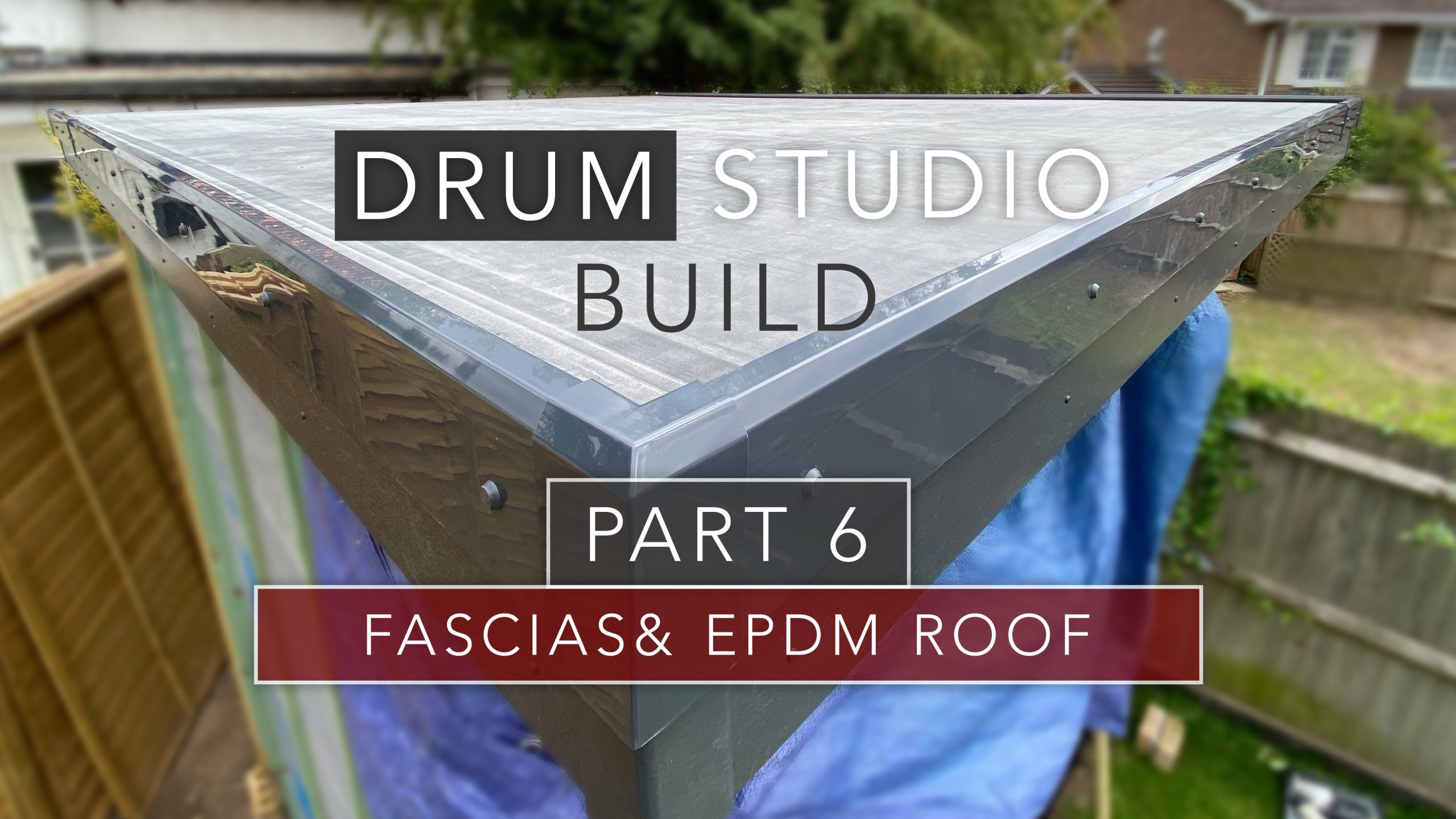
Installing the best roof covering for your garden room – the EPDM Rubber Roof Kit
10 minute readIn this article we look at how to install uPVC fascias, soffits and an EPDM rubber roof to complete the roof of the garden room.
Contents
Introduction
Welcome to the next part in the series where I’m building a home office and music room in my garden. In this article we will talk through installing the EPDM rubber roof and fascias.
Before you start it is important to give the top of the roof a good brush and a clean to ensure there is no debris.
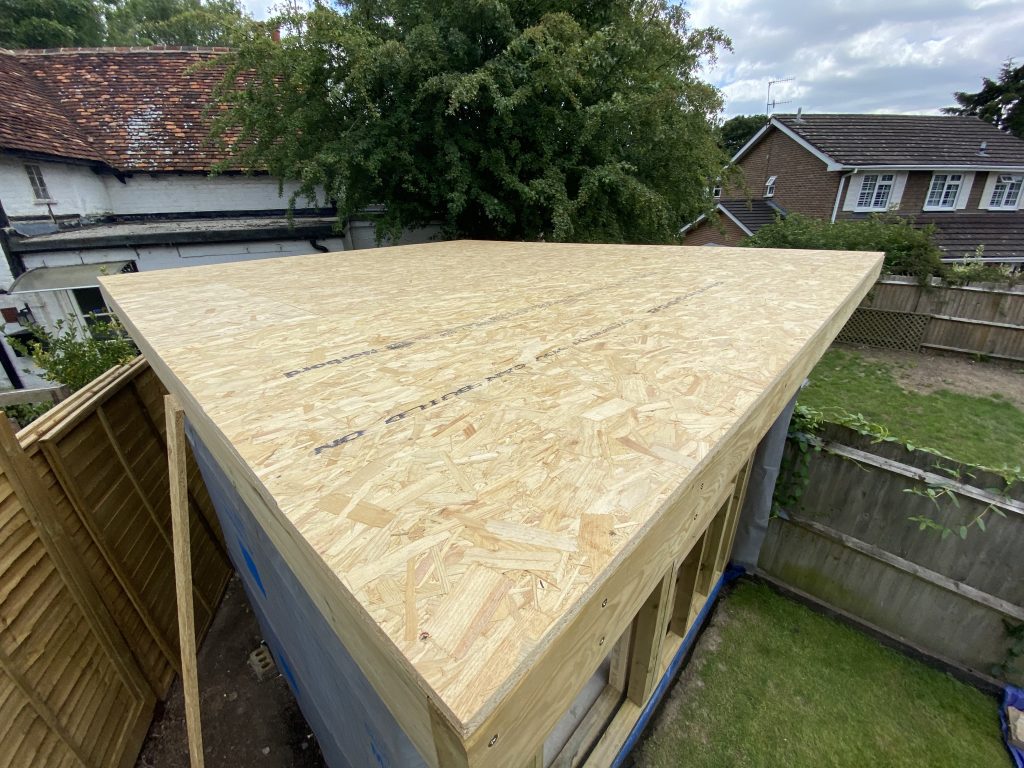
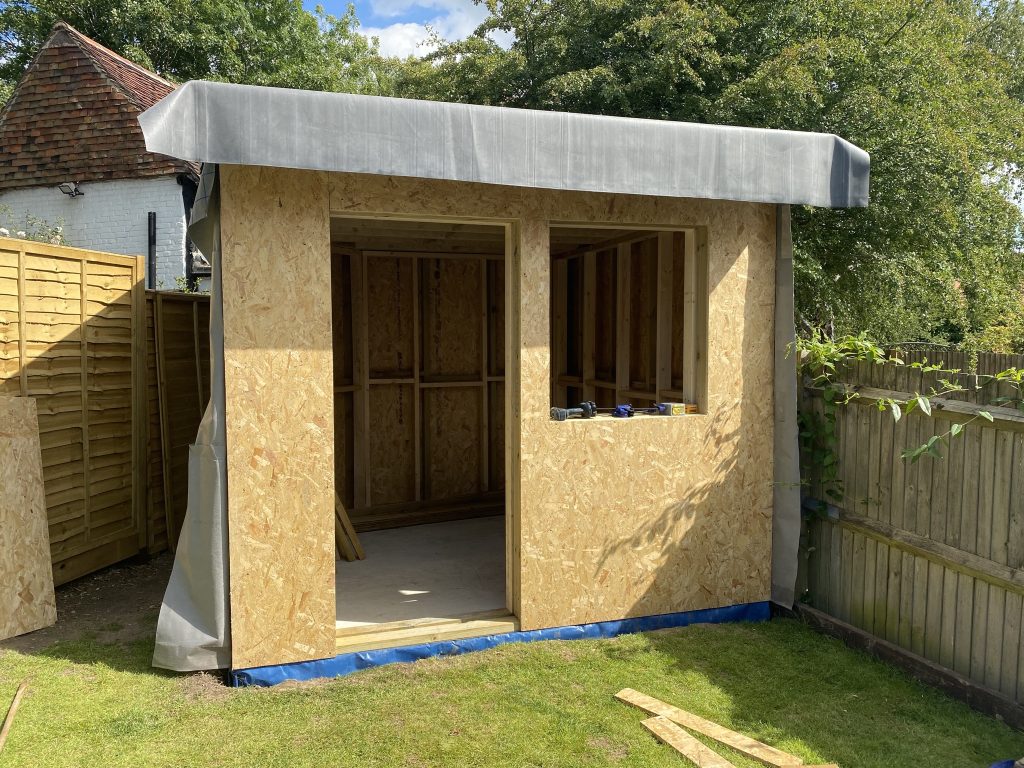
Then you should unfold the EPDM roof and lay it over the top for at least a week to allow the material to settle and adapt to outdoor conditions. This is important to ensure shrinkage does not occur, causing the roof covering to fail at a later stage.
Cutting and Preparing the Fascias
The fascia is the trim panel which goes around the edge of the roof frame. This type of roof covering comprises of using two different fascias. The first is your standard construction fascia that you will find in most homes. I have used a 175mm fascia board and used a table saw to cut it down to the correct height.
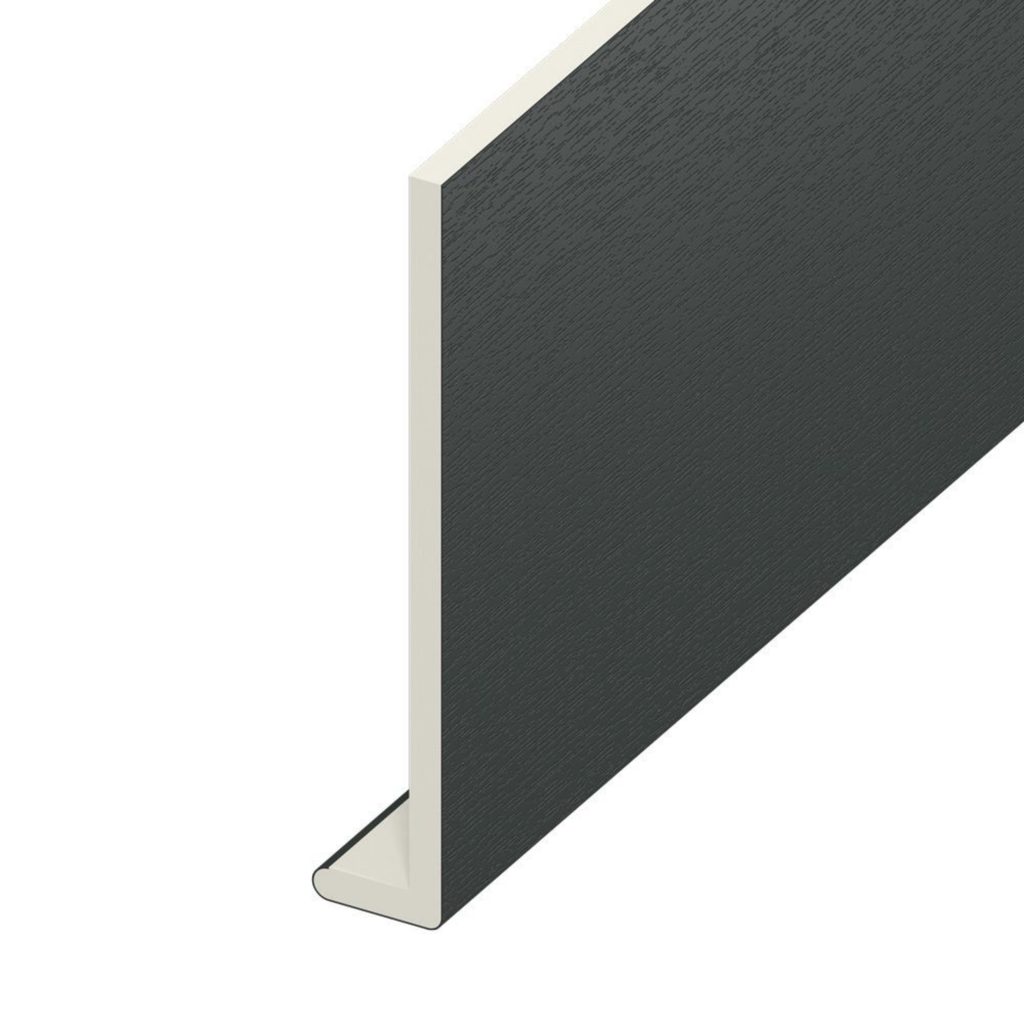
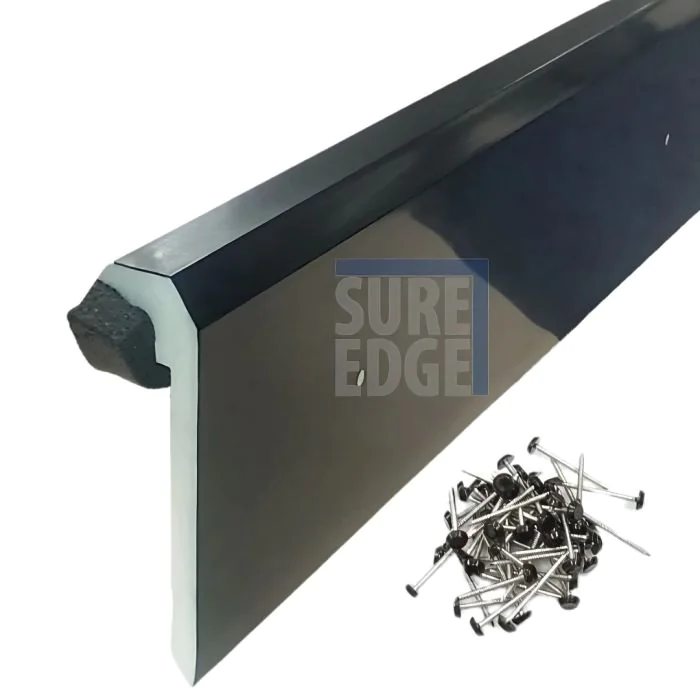
The second part of the facia overlaps this first part and is supplied as part of the EPDM kit.
Fitting Timber Soffits
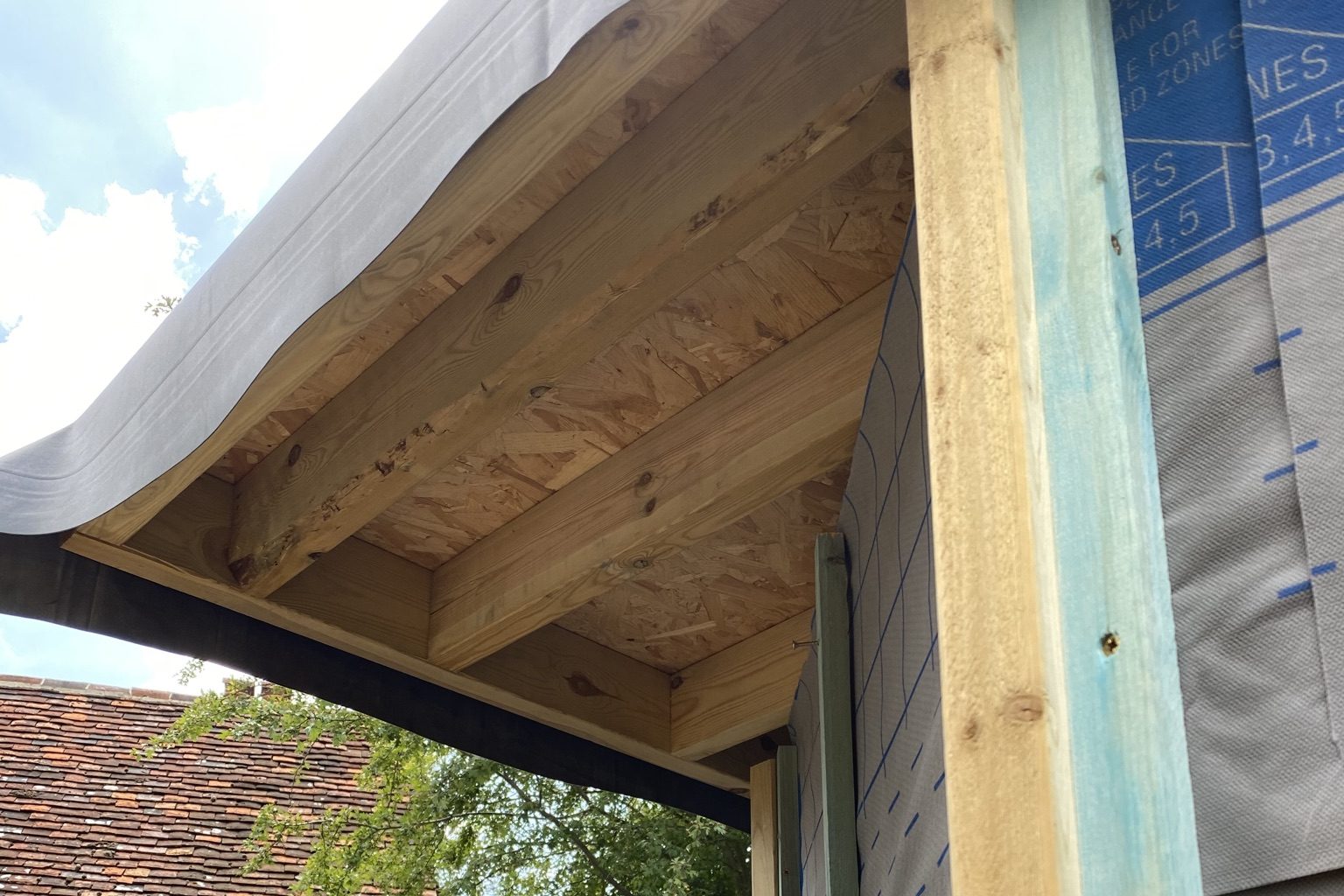
The soffits are the trim which fix to the underside of the roof frame to cover the overhang. Usually this will also be PVC in keeping with the soffit, but I decided in my car to extend the timber cladding as I feel it has a nice look to it.
The soffit trims are fixed to the underside of the roof structure before the fascia boards are fitted over the top. This is because the fascias have an L shape profile which creates what is known as a drip edge. This allows rainwater to drain off the side of the roof and drip clear of the walls, helping to protect the building from water ingress and prevents staining or damage over time.
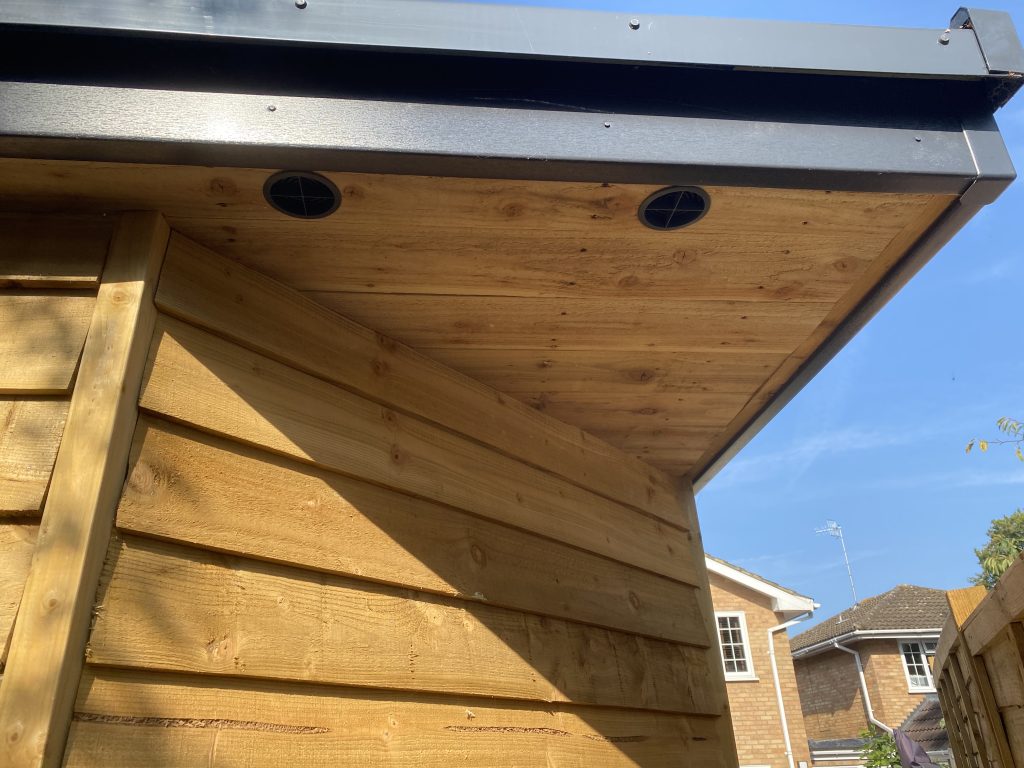
With this type of roof construction it is important to add ventilation so that air can circulate above the void in the insulation, preventing condensation build up and eventual rotting of the timbers. Ensure your vents are fixed and aligned in the centers of each pair of roof joists so that every cavity has air circulation. This should result in vents on both the front and the rear overhangs, so ensure you leave enough room.
Fixing the Fascia Boards
Once the soffits were fitted, I moved on to securing the fascias.
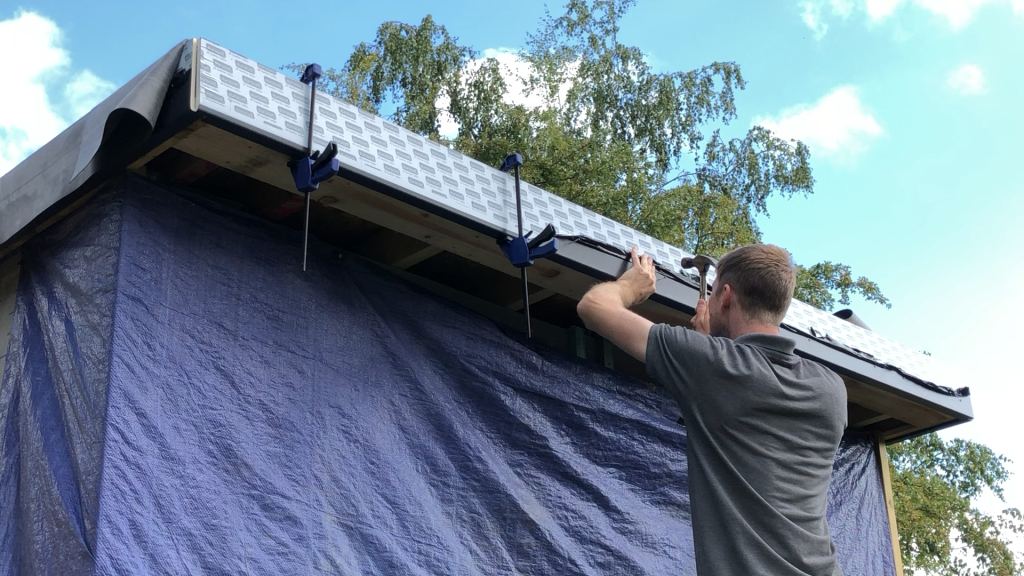
Before fixing them in place, I took one of the fascia boards provided from the EPDM kit as a template. These trim panels have predrilled holes for the nail fixings. I lined them up on the fascia boards and marked out the positions to pre-drill the main fascia boards. This way, when both fascias are installed, all of the holes line up perfectly, creating a clean, professional finish.
Adding the Rear Batten and Drip Edge
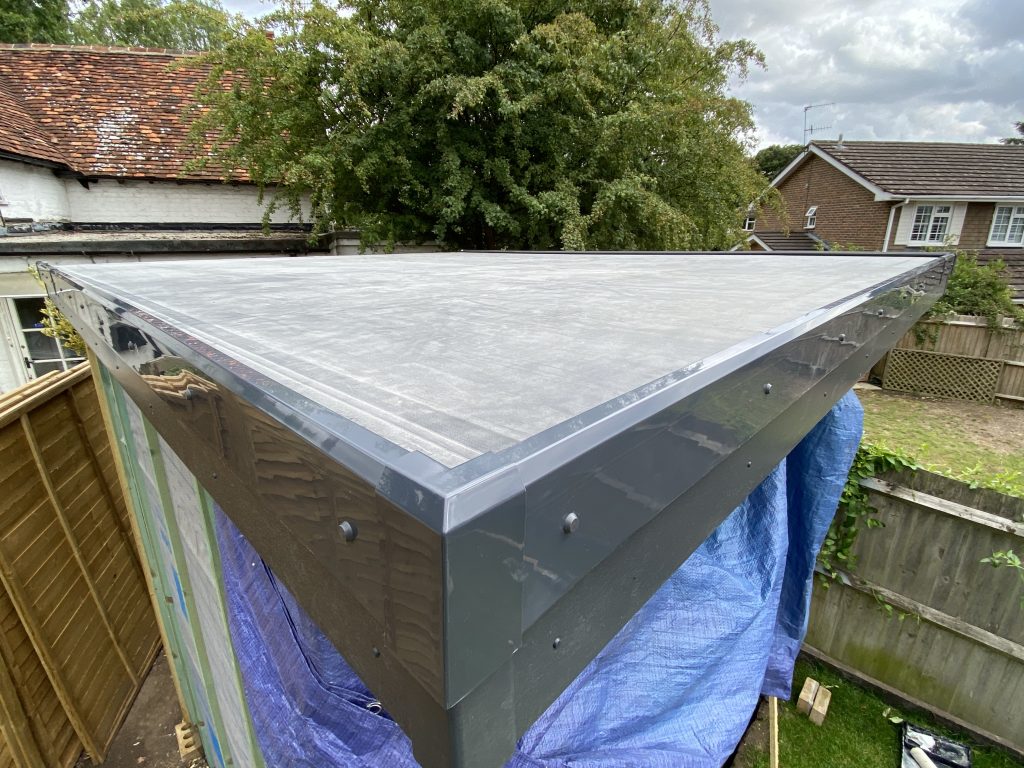
Before installing the EPDM rubber roof membrane I added a length of the roofing batten along the rear edge and attached the drip fascia part A to this. This is in line with the instructions on the EPDM kit. The reason for doing so is to create a lip where water can run off and land central in the guttering below.
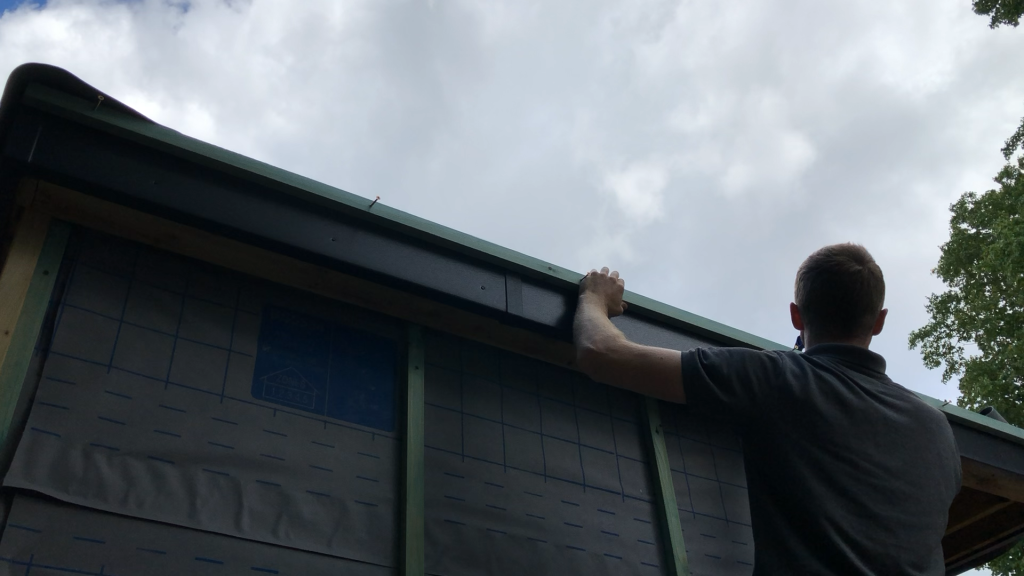
This setup ensures that rainwater runs off the roof and straight into the gutter channel, preventing it from dripping down the sides of the structure.
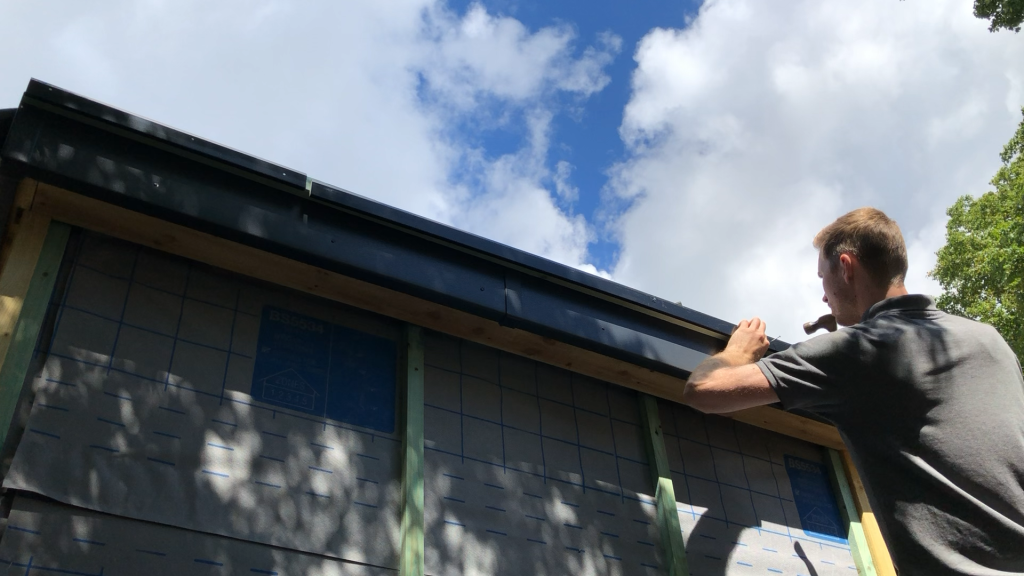
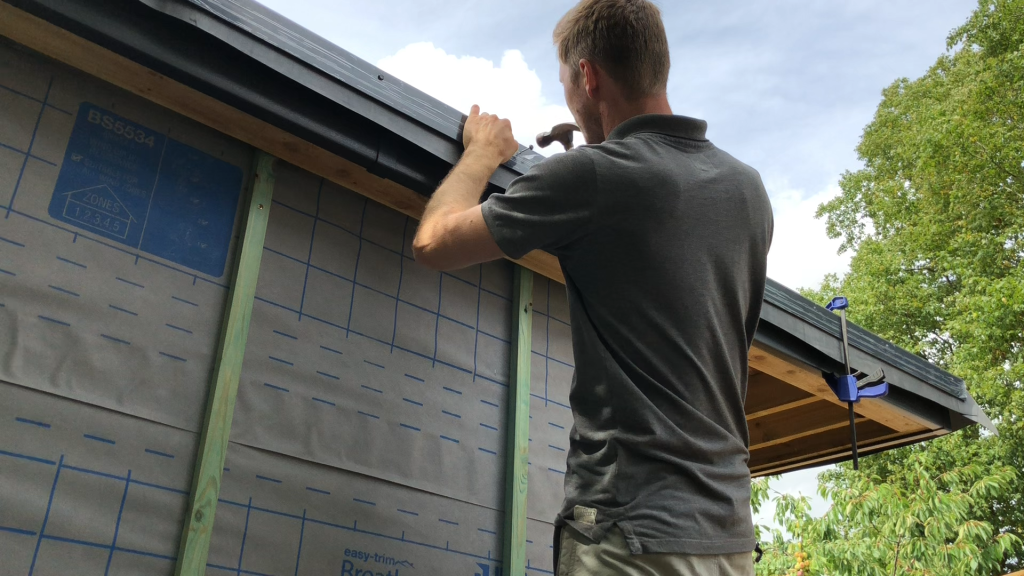
Installing the EPDM Rubber Roof
With the fascias complete, it was time to start fitting the EPDM rubber roof covering.
EPDM is an increasingly popular option for flat roofs — it’s cheaper than traditional felt, easier to install, and can last up to 50 years, compared to 10–20 years for felt roofs. It does not go brittle, so is less susceptible to cracking and bubbling.
Adhesives and Bonding Process
To adhere the EPDM rubber roof to the roof deck, I used two types of adhesive:
- A water-based deck adhesive applied to the core of the OSB roof surface.
- A contact bond adhesive used around the edges (about 20 cm in from the perimeter).
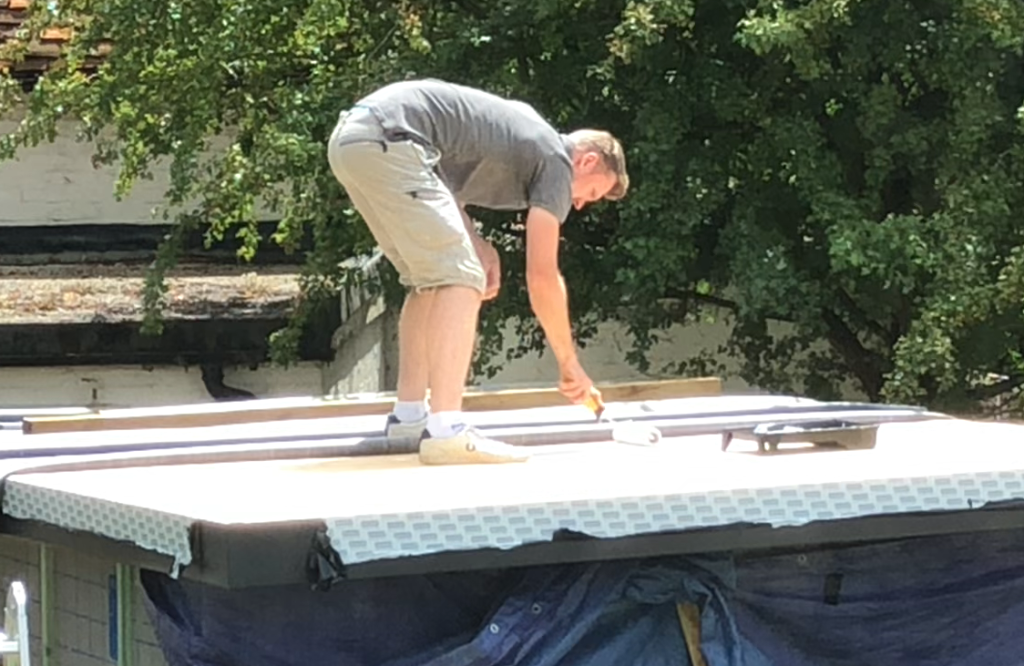
If you’re looking for materials, sites like Rubber for Roofs offer complete EPDM kits that include all the required adhesives and trims. You will also find a link to available kits at the bottom of this article and in the store.
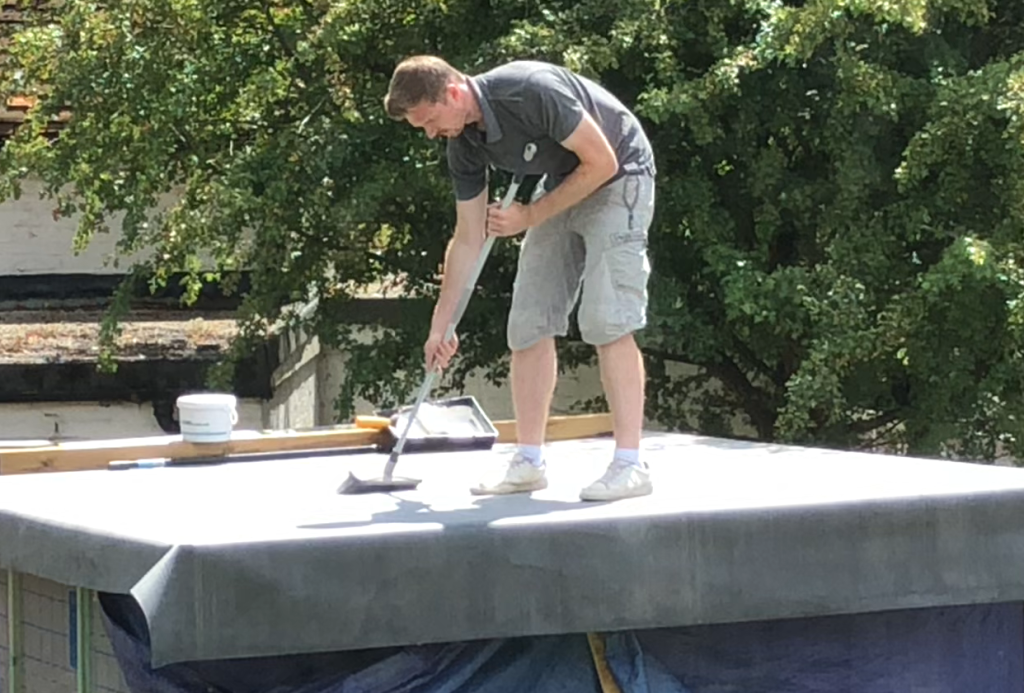
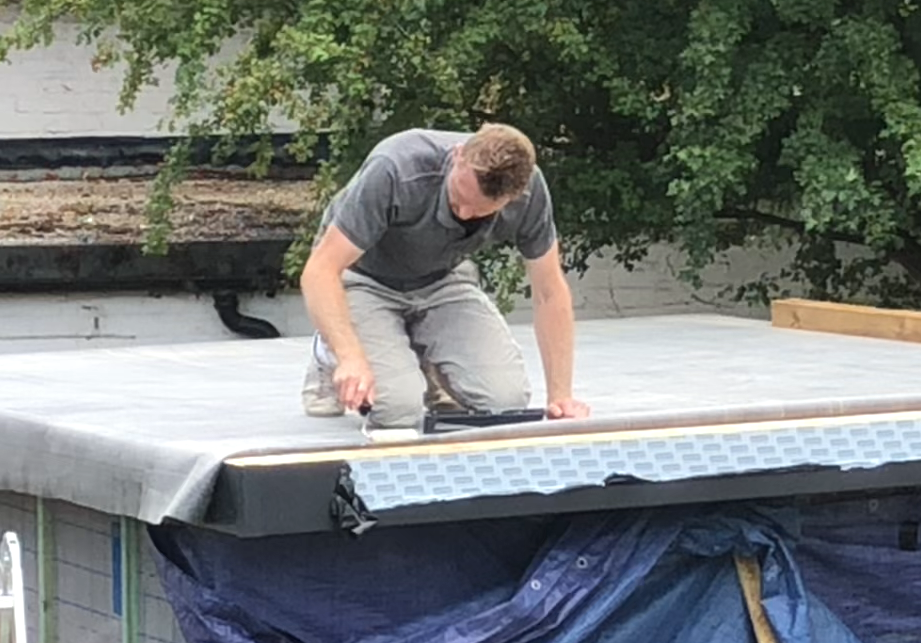
Once applied, the contact adhesive should be left to go slightly tacky before folding the rubber over and pressing it down firmly.
I used a seam roller to ensure a good, even bond between the two surfaces.
Fitting the Edge Trims
After the EPDM was fully bonded, I installed the second set of fascia edge trims. These trims include a padded compression seal, which ensures the joint is completely watertight and directs all water off the rear of the roof, rather than down the sides.
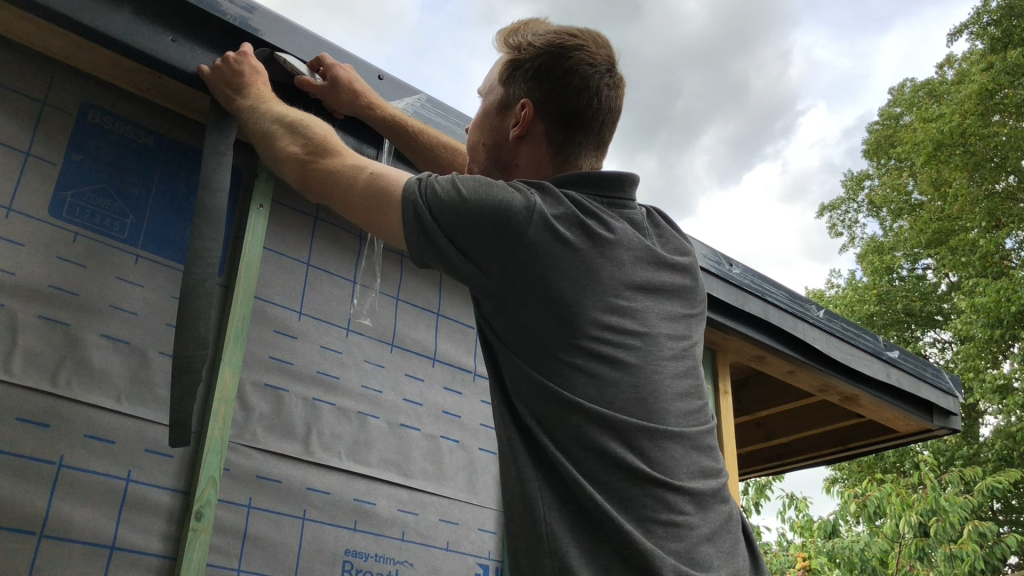
One the trims are fitted, use a stanley knife to cut away the excess rubber.
Fixing Corner Joints and Expansion Gaps
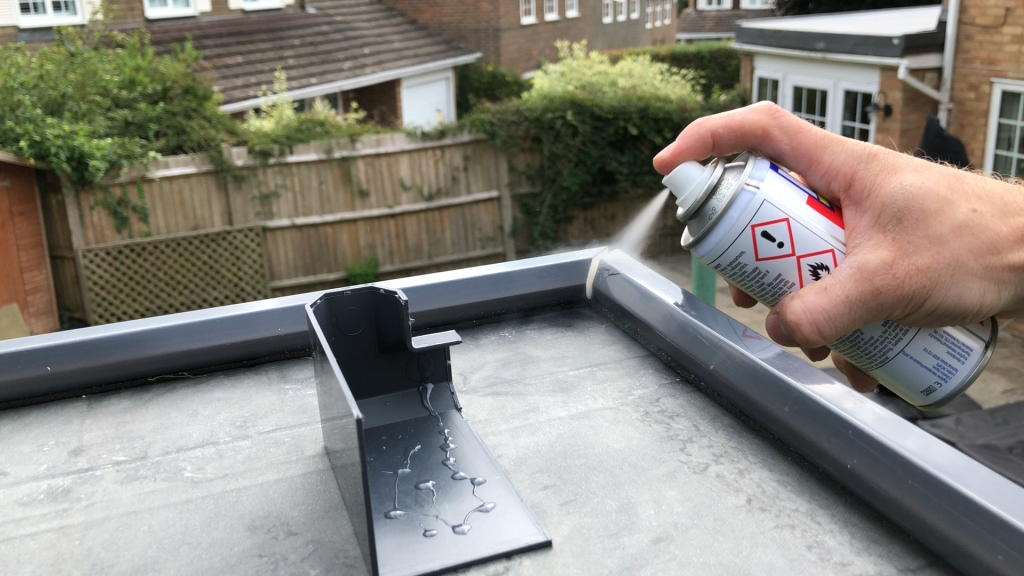
For the corners, I used a product called Mitre Bond to secure the joint covers. The manufacturer recommends leaving a 1 cm expansion gap between joints to allow for thermal movement. When fixing these corners, you should only glue one side of the trim to allow the trim to be albe to move as the roof expands and contracts.
Install the Guttering
I will mention the guttering here as it is the last component to completing the roof, however, you won’t be fixing the down pipe until you have completed the cladding.
The guttering is fairly straight forward, you will find the parts list attached to this article. Attach the gutter to the fascia just below your drip edge from the roof, using the fascia bracket. You will want to inset from of the edge of the roof the outlet so that you can align your downpipe appropriately on the side of the building where you can find suitable fixings. Use two 112.5 down pipe angles with a piece of downpipe cut to length in the middle to bring the downpipe up against the side of the garden room for fixing. Apply the outlet shoe at the bottom.
If you are not sure, looking at the gutting on your own house will likely give you a clear indication of what you need to do.
Final Result and What’s Next
The roof is now complete. Coupled with the breathable membrane on the walls, the structure is now temporarily watertight. In the next part of the build I’ll install the door and window, making the structure completely watertight allowing us to continue with the internals.
If you found this article useful, you can also checkout this section on YouTube and watch the full garden studio build series.
Products Used
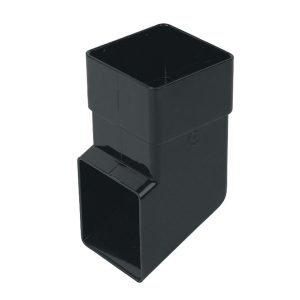
65mm Square Line Downpipe Shoe
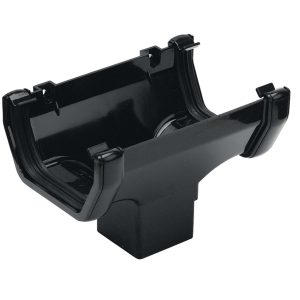
114mm Half Square Line Gutter Running Outlet
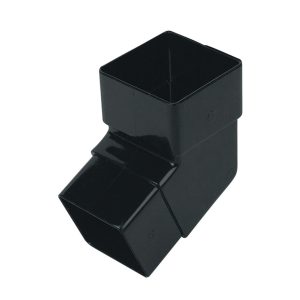
65mm Square Downpipe Offset Bend – 112.5°
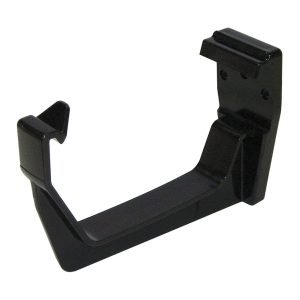
114mm Square Line Gutter Fascia Bracket
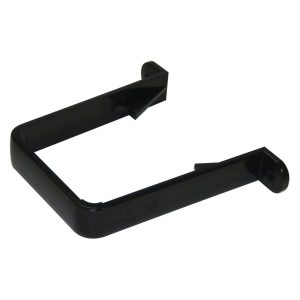
65mm Square Line Downpipe Clip
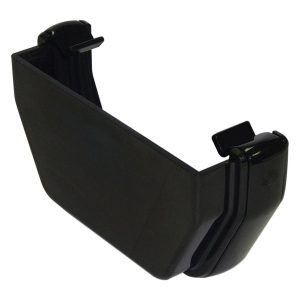
65mm Square Line Gutter External Stop End
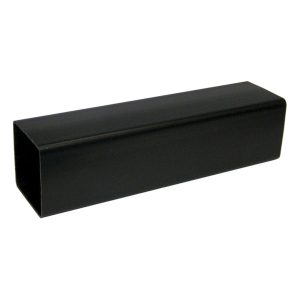
65mm Square Line Downpipe – 2.5m
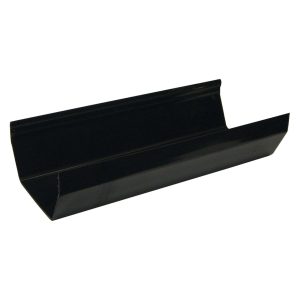
114mm Square Line Gutter – 4m
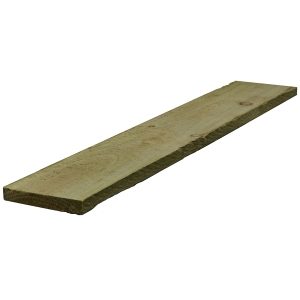
22mm x 150mm x 4.8m Green Treated Board
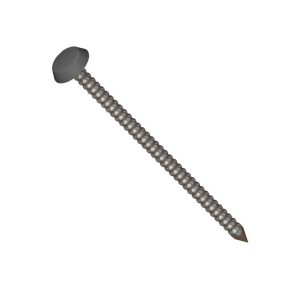
Fixing Pins Anthracite Grey – Pack of 50
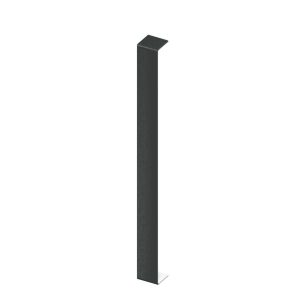
Fascia Joint Trim Anthracite Grey
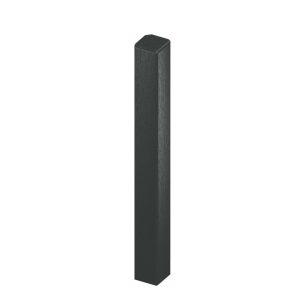
Fascia Corner Trim Anthracite Grey
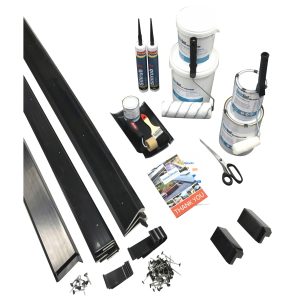
EPDM Rubber Roof Kit with Anthracite Grey Trim
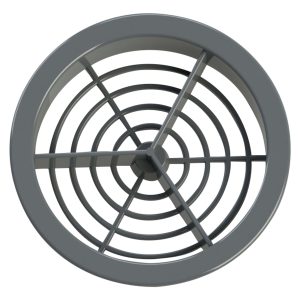
Round Soffit Vent Grey 70mm
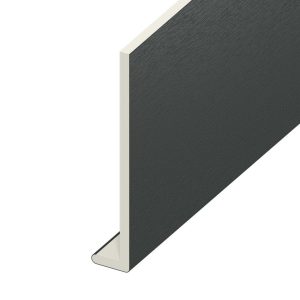
PVCu Anthracite Grey Fascia Board
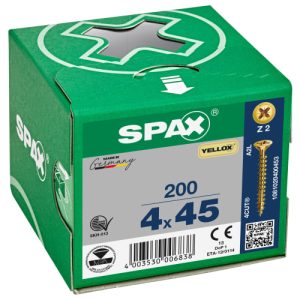
Spax Countersunk Screws – 4x45mm – Pack of 200
Leave a Reply
You must be logged in to post a comment.